Johannes Brahms
Your profile, built from Spotify + Wikipedia/Wikidata + your indexed library.
Born / died
1833-1897
Movement
Romantic
Location
Worked in Letovice, Vienna
Friends / contemporaries
Anton Webern, Franz Liszt, Bedrich Smetana +1 more

The stature of Johannes Brahms among classical composers is best illustrated by his inclusion among the "Three Bs" triumvirate of Bach, Beethoven, and Brahms.Spotify
Of all the major composers of the late Romantic era, Brahms was the one most attached to the Classical ideal as manifested in the music of Haydn, Mozart, and especially Beethoven; indeed, Hans von Bülow once characterized Brahms' Symphony No. 1 (1855-1876) as "Beethoven's Tenth." As a youth, Brahms was championed by Robert Schumann as music's greatest hope for the future; as a mature composer, Brahms became the most potent symbol of musical tradition for conservative musical journalists, a stalwart against the "degeneration" represented by the music of Wagner and his school.Spotify
Brahms' symphonies, choral and vocal works, chamber music, and piano pieces are imbued with strong emotional feeling, yet take shape according to a thoroughly considered structural plan. The son of a double bassist in the Hamburg Philharmonic Society, Brahms demonstrated great promise at a young age. He began his musical career as a pianist, contributing to the family coffers as a teenager by playing in restaurants, taverns, and even brothels.Spotify
By his early twenties he enjoyed associations with luminaries like violinists Eduard Reményi and Joseph Joachim, but the friend and mentor who was most instrumental in advancing his career was Schumann, who all but adopted him and became his most ardent admirer -- their esteem was mutual. Following Schumann's death in 1856, Brahms became the closest confidant and lifelong friend of the composer's widow, pianist and composer Clara Wieck Schumann. After a lifetime of spectacular musical triumphs and failed loves (the composer was involved in several romantic entanglements but never wed), Brahms died of liver cancer on April 3, 1897.Spotify
In every genre in which he composed, Brahms produced works that have become staples of the repertory. His most ambitious work, the German Requiem (1863-1867), is the composer's singular reinterpretation of an age-old form. The four symphonies -- lushly scored, grand in scope, and deeply expressive -- are cornerstones of the symphonic literature.Spotify
Brahms' concertos are in a similarly monumental, quasi-symphonic vein: the two piano concertos (1856-1859 and 1881), and the Violin Concerto (1878) call for soloists with both considerable technical skill and stamina. His chamber music is among the most sophisticated and exquisitely crafted of the Romantic era; his works that incorporate clarinet (e.g., the Trio in A minor, Op. 114 and the two Sonatas, Op.Spotify
120), the latter an instrument largely overlooked by his contemporaries -- remain unsurpassed. Though the piano sonata never held the same appeal for Brahms as it did for Beethoven (Brahms wrote three to Beethoven's 32), he produced a voluminous body of music for the piano. He showed a particular affinity for variations -- notably, on themes of Schumann (1854), Handel (1861), and Paganini (1862-1863) -- and likewise produced a passel of national dances and character pieces such as ballades, intermezzi, and rhapsodies.Spotify
Collectively, these constitute one of the essential bodies of work in the realm of 19th century keyboard music.Spotify
~ Rovi Staff, Rovi
role: composer · 90%era: Romanticmovement: Romantic1833–1897
Movement
Romantic
How this movement sounds
rubatochromatic harmonybig climaxesricher timbrelong lyrical linesnarrative feel
Romantic listening cues: heightened emotion, longer lyrical melodies, and more freedom with rubato (flexible timing) in performance.
Harmony is often more chromatic, with colorful chords and side-steps that create tension and release over longer spans. You may hear more delayed resolutions and more 'yearning' harmonic motion.
Dynamics and texture often expand: thicker sonorities, bigger climaxes, and a strong sense of narrative or character (even in purely instrumental music).
In piano music, listen for the use of pedaling and resonance to create a halo around harmony; in orchestral music, listen for richer timbre and denser voicing (inner lines matter).
A useful trick: follow the bass line. In Romantic music it often shapes the drama, pulling the harmony through longer arcs rather than short phrase punctuation.
How Johannes Brahms sounds
warm middle registerdense chordshemiolainner voicesautumnal mood
Brahms often feels weighty and warm: thick, rounded chords, prominent inner voices, and a sense of "autumn" color even in bright passages.
Rhythm is a big tell: he loves cross-rhythms and hemiolas that make the meter feel like it is gently shifting under your feet.
His melodies can be broad and lyrical, but the accompaniment is rarely simple; listen for layered textures that keep moving even when the surface seems calm.
Wikipedia
Johannes Brahms (; German: [joˈhanəs ˈbʁaːms] ; 7 May 1833 – 3 April 1897) was a German composer, pianist, and conductor of the mid-Romantic period.Wikipedia
His music features expressive counterpoint, freer dissonance, rhythmic vitality, and traditional forms. His works include four symphonies, four concertos, a Requiem, much chamber music, and hundreds of folk-song arrangements and Lieder (German art songs).Wikipedia
Born in Hamburg to a musical family, Brahms composed and performed locally in his youth before touring Central Europe as a pianist, premiering his own works and meeting Franz Liszt in Weimar. He worked with Ede Reményi and, through Joseph Joachim, gained Robert and Clara Schumann's support and guidance. He lived with Clara in Düsseldorf, becoming devoted to her amid Robert's voluntary commitment.Wikipedia
After Robert's death, they remained close friends. Brahms never married, focusing on his work as a composer prone to self-criticism. Though innovative, he was deemed conservative in the War of the Romantics, in which he regretted his involvement.Wikipedia
But his works succeeded, gaining him a circle of supporters, friends, and musicians. Eduard Hanslick hailed them as absolute music, and Hans von Bülow named him the heir to Johann Sebastian Bach and Ludwig van Beethoven, which Richard Wagner mocked. In Vienna, he led the Singakademie and Gesellschaft der Musikfreunde, programming the early and…Wikipedia
Interview highlights
Built from indexed interview/masterclass transcripts (podcasts / YouTube). Quotes are direct excerpts with source links.
Interview highlights for Johannes Brahms from 6 sources. Quotes below are direct excerpts; open the source link for context.
Topics that recur (auto): Music, Yeah, Heat, First, Time, Schumann, Know, Then.
Source: youtube_captions · GuF6ocNidok · 0:04 · published 2021-08-07 · Open source
Source: youtube_captions · T5eV1GM4f5E · 8:13 · published 2021-01-30 · Open source
Source: youtube_captions · f6TSk6oV4Ak · 4:36 · published 2022-08-02 · Open source
Source: youtube_captions · tQX1FG3SdvE · 15:49 · published 2016-12-29 · Open source
Source: youtube_captions · qzJTNS8m2lA · 4:38 · published 2024-01-30 · Open source
Source: youtube_captions · bJaCHEPJfHg · 8:50 · published 2020-03-12 · Open source
Transcript sources (11)
Study resources & scores
Curated study material and indexed score links related to Johannes Brahms.
No related study resources yet. As more lectures, transcripts, and scores are indexed, they will show up here.
Local matches
Matches your current indexed library (videos table). This will be sparse until connectors run.

France Musique · published 2026-09-29
Iván Fischer dirige les Danses hongroises de Brahms
2026
FreeFull concert

France Musique · published 2026-09-21
Le Requiem allemand, de Brahms, par Philippe Herreweghe
2026Requiem
FreeFull concert


France Musique · published 2026-09-14
Mélancolie : Brahms, Mandyczewski - Konstantin Krimmel, Ammiel Bushakevitz
2026Mélancolie
Free
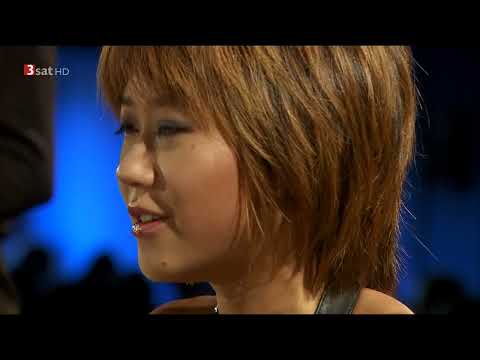 Play video
YouTube · published 2026-09-08 · 1h 18m
Leonidas Kavakos and Yuja Wang play Johannes Brahms - Verbier Festival
20261h 18m
FreeFull concertLongLive

France Musique · published 2026-09-03
Hommage à Jean-Paul Rappeneau : Brahms sur le toit
Free

France Musique · published 2026-08-03
Le programme classique de Max Dozolme : Autour de Clara Schumann
2026
Free
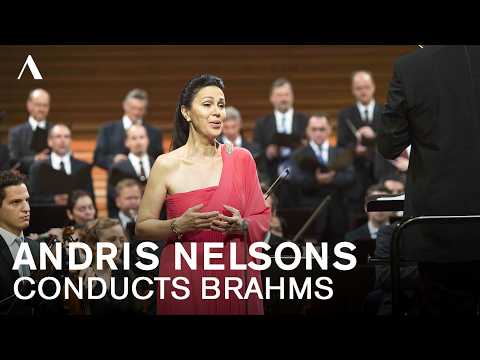 Play video
YouTube · published 2026-07-22 · 1h 48m
Johannes Brahms - Andris Nelsons conducts | Sara Mingardo & Lucerne Festival Orchestra
20261h 48m
FreeFull concertLongLive

France Musique · published 2026-06-23
Le Premier quatuor avec piano de Johannes Brahms avec Martha Argerich
2026
FreeFull concert

France Musique · published 2026-06-19
La Rhapsodie pour alto de Johannes Brahms par Aafje Heynis
2026
FreeFull concert
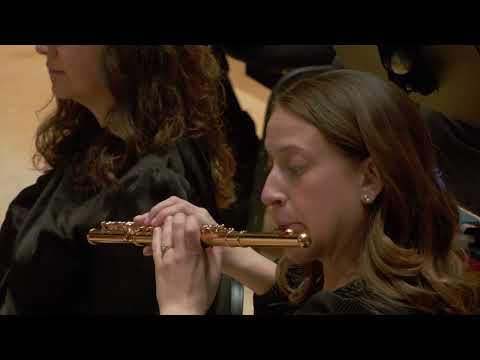 Play video
YouTube · published 2026-06-06 · 43m
JOHANNES BRAHMS | Symphony No. 2 in D major | Nikolaj Szeps-Znaider | Detroit Symphony Orchestra
2026Symphony43m
FreeLongLive

France Musique · published 2026-03-19
Seong-Jin Cho interprète le Concerto pour piano n° 2 de Chopin avec le Philhar' et Myung-Whun Chung
2026Concerto
FreeFull concert
 Play video
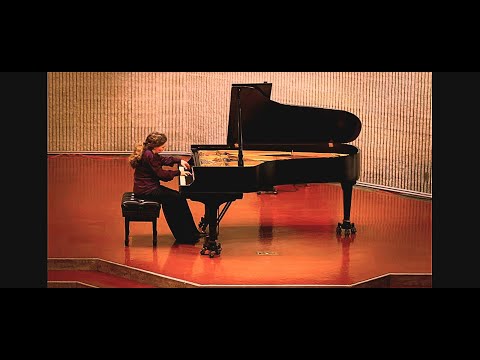
YouTube · published 2025-12-17 · 23m
Johannes Brahms - 7 Fantasien, Op. 116, Liana Paniyeva live from Boston
2025Op.23m
FreeLongLive
 Play video
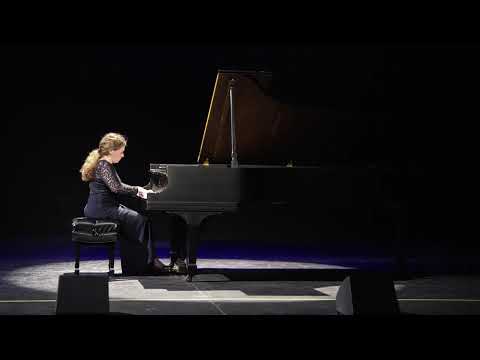
YouTube · published 2025-12-10 · 23m
Johannes Brahms - 7 Fantasien, Op. 116, Liana Paniyeva live from the Strand Theatre
2025Op.23m
FreeLongLive
 Play video
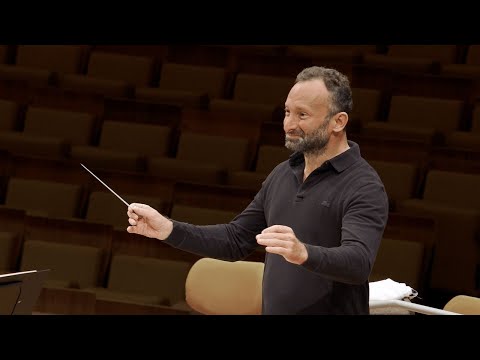
YouTube · published 2025-11-07 · 19m
Upbeat: Johannes Brahms's Symphony No. 1 with Kirill Petrenko
FreeLive
 Play video
YouTube · published 2025-04-12 · 10m
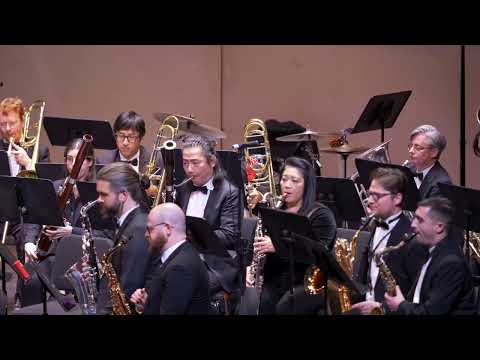
New York Wind Orchestra 13th Concert - Academic Festival Overture, Op. 80 by Johannes Brahms
2025OvertureOp.10m
FreeLive
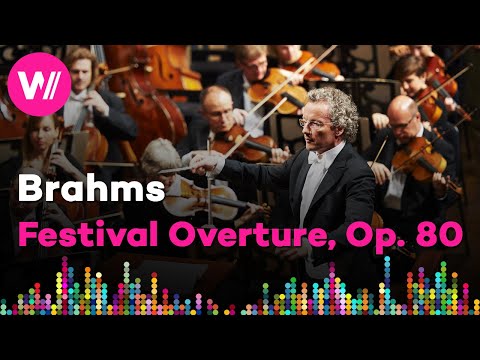 Play video
YouTube · published 2024-08-05 · 12m
Johannes Brahms - Academic Festival Overture, Op. 80 (The Cleveland Orchestra, Franz Welser-Möst)
2024OvertureOp.12m
FreeLive
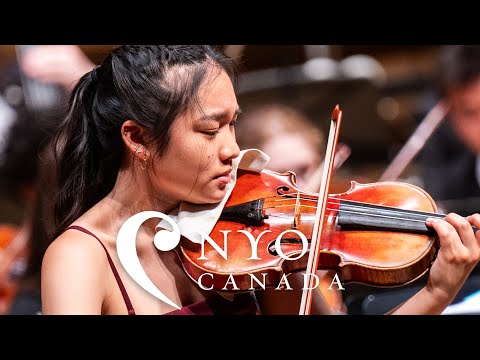 Play video
YouTube · published 2024-06-06 · 40m
Violin Concerto in D Major, op. 77 - Johannes Brahms | National Youth Orchestra
FreeLongLive
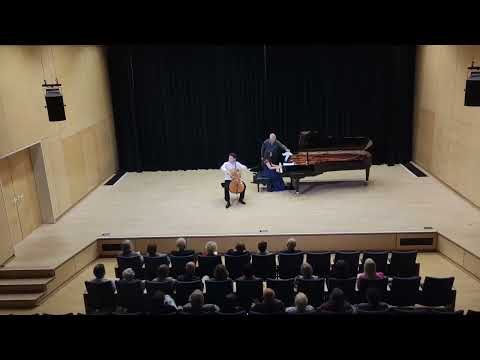 Play video
YouTube · published 2023-07-13 · 26m
Johannes Brahms - Cello Sonata No. 1 in E minor , Op.38 (live)
2023SonataOp.26m
FreeLongLive
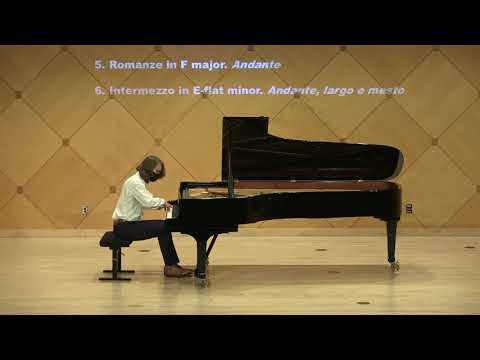 Play video
YouTube · published 2022-08-06 · 25m
(LIVE) John Solari - Johannes Brahms, 6 Klavierstücke, op. 118
2022Op.25m
FreeLongLive
 Play video
YouTube · published 2022-08-06 · 1h 10m
Ein Deutsches Requiem (A German Requiem) - Johannes Brahms - Full Concert
20221h 10mRequiem
FreeFull concertLongLive
 Play video
YouTube · published 2022-07-01 · 42m
Johannes Brahms: Symphony No. 4. Edward Gardner and Bergen Philharmonic
FreeLongLive
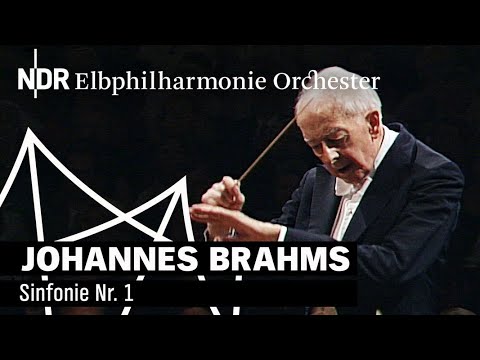 Play video
YouTube · published 2022-02-12 · 48m
Johannes Brahms: Symphony No. 1 with Günter Wand (1997) | NDR Elbphilharmonie Orchestra
FreeFull concertLongLive
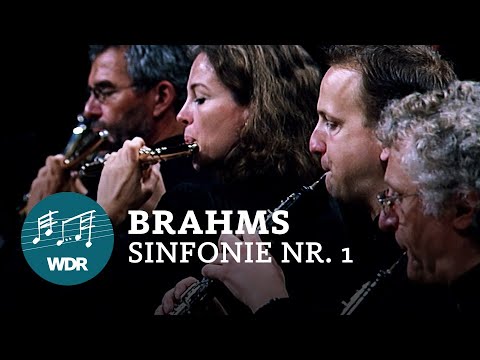 Play video
YouTube · published 2021-06-03 · 50m
Johannes Brahms - Symphony No. 1 in C minor op. 68 | Semyon Bychkov | WDR Sinfonieorchester
FreeFull concertLongLive
 Play video
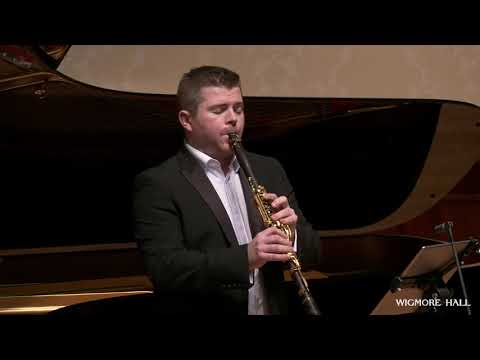
Wigmore Hall · published 2021-05-18 · 3m
Julian Bliss & James Baillieu - Johannes Brahms, 4 Serious Songs Op. 121 'O Tod, wie bitter bist du'
2021Op.3m
FreeLive
 Play video
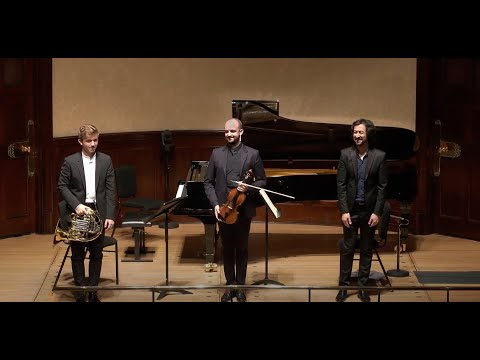
Wigmore Hall · published 2021-05-18 · 6m
Ben Goldscheider, Benjamin Baker & Tom Poster - Johannes Brahms, Horn Trio in E flat Op. 40, Finale
2021TrioOp.6m
FreeLive
 Play video
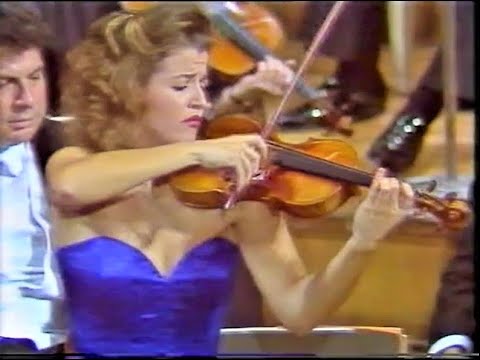
YouTube · published 2020-10-07 · 42m
ANNE SOPHIE MUTTER (LIVE), Violin Concerto in D major, Op. 77, Johannes Brahms
2020ConcertoOp.42m
FreeLongLive
 Play video
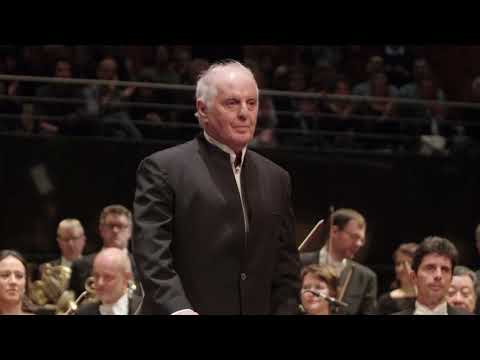
YouTube · published 2020-05-21 · 52m
Johannes Brahms: Sinfonía N° 3 en fa mayor, Op. 90 - Festival Barenboim | Centro Cultural Kirchner
FreeFull concertLongLive
 Play video
YouTube · published 2020-05-08 · 58m
Johannes Brahms: Sinfonía N° 1 en do menor, Op. 68 - Festival Barenboim | Centro Cultural Kirchner
FreeFull concertLongLive
 Play video
YouTube · published 2018-06-01 · 29m
LIVE: Johannes Brahms | Cello Sonata in F major | Benedict Kloeckner | José Gallardo
FreeLongLive
 Play video
YouTube · published 2016-08-01 · 24m
Johannes Brahms: Clarinet Trio / Andreas Ottensamer, Sol Gabetta, Dejan Lazić (live)
FreeLongLive
 Play video
YouTube · published 2015-08-03 · 54m
Johannes Brahms : Hungarian Dances - Budapest festival Orchestra
FreeFull concertLongLive
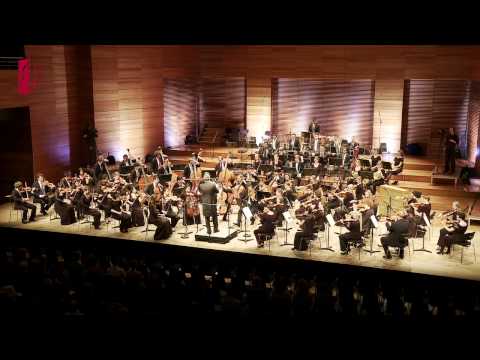 Play video
YouTube · published 2012-08-06 · 38m
Johannes Brahms: Symphony No. 3 in F major | University Orchestra Weimar
FreeLongLive
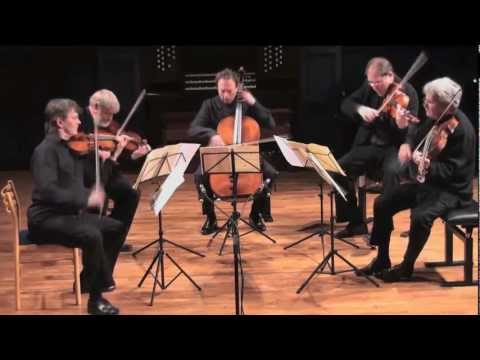 Play video
YouTube · published 2012-07-02 · 29m
Johannes Brahms: String Quintet Op.88 live at SMKS Denmark
FreeLongLive
Saved playlist songs
Tracks from your saved Spotify playlist that are attributable to Johannes Brahms.
No Spotify playlist is seeded yet.
No attributable tracks for this person in your saved playlist songs yet.