Saint-Saëns
Your profile, built from Spotify + Wikipedia/Wikidata + your indexed library.
Born / died
1835-1921
Movement
classical
Location
Born in 11th arrondissement of Paris
Friends / contemporaries
Charles-Valentin Alkan, Jean Wiener, Claude Debussy +3 more

role: unknown · 20%era: Romanticmovement: classical1835–1921
Movement
classical
How this movement sounds
rubatochromatic harmonybig climaxesricher timbrelong lyrical linesnarrative feel
Romantic listening cues: heightened emotion, longer lyrical melodies, and more freedom with rubato (flexible timing) in performance.
Harmony is often more chromatic, with colorful chords and side-steps that create tension and release over longer spans. You may hear more delayed resolutions and more 'yearning' harmonic motion.
Dynamics and texture often expand: thicker sonorities, bigger climaxes, and a strong sense of narrative or character (even in purely instrumental music).
In piano music, listen for the use of pedaling and resonance to create a halo around harmony; in orchestral music, listen for richer timbre and denser voicing (inner lines matter).
A useful trick: follow the bass line. In Romantic music it often shapes the drama, pulling the harmony through longer arcs rather than short phrase punctuation.
How Saint-Saëns sounds
rubatorich harmonylong melodybig dynamicscoloristic pedal
Romantic music tends to foreground emotion and color: long singing melodies, flexible tempo (rubato), and harmony that stretches and sighs.
You often hear thicker textures, wider dynamic range, and a more "orchestral" use of the piano with deep bass and resonant pedaling.
Look for heightened contrast and personal voice: the same musical gesture can feel intimate one moment and heroic the next.
Wikipedia
Charles-Camille Saint-Saëns (UK: , US: ; French: [ʃaʁl kamij sɛ̃sɑ̃(s)] 9 October 1835 – 16 December 1921) was a French composer, organist, conductor and pianist of the Romantic era.Wikipedia
His best-known works include Introduction and Rondo Capriccioso (1863), the Second Piano Concerto (1868), the First Cello Concerto (1872), Danse macabre (1874), the opera Samson and Delilah (1877), the Third Violin Concerto (1880), the Third ("Organ") Symphony (1886) and The Carnival of the Animals (1886). Saint-Saëns was a musical prodigy; he made his concert debut at the age of ten.Wikipedia
After studying at the Paris Conservatoire he followed a conventional career as a church organist, first at Saint-Merri, Paris and, from 1858, La Madeleine, the official church of the French Empire. After leaving the post twenty years later, he was a successful freelance pianist and composer, in demand in Europe and the Americas. As a young man, Saint-Saëns was enthusiastic for the most modern music of the day, particularly that of Schumann, Liszt and Wagner, although his own compositions were generally within a conventional classical tradition.Wikipedia
He was a scholar of musical history and remained committed to the structures worked out by earlier French composers. This brought him into conflict in his later years with composers of the impressionist and expressionist schools of music; although there were neoclassical…Wikipedia
Study resources & scores
Curated study material and indexed score links related to Saint-Saëns.
No related study resources yet. As more lectures, transcripts, and scores are indexed, they will show up here.
Local matches
Matches your current indexed library (videos table). This will be sparse until connectors run.

France Musique · published 2026-10-07
L'Orchestre philharmonique de New York : les années 1970 (13)
1970
FreeFull concert

France Musique · published 2026-09-23
Thierry Malandain : " Je voulais que mon dernier mot ce soit Saint-Saëns"
FreeFull concert

France Musique · published 2026-09-18
Une heure et plus, un compositeur : Camille Saint-Saëns
2026
Free

France Musique · published 2026-09-17
L'Orchestre philharmonique de New York (9) Les "sixties" avec Leonard Bernstein : 1966-1967
1966
FreeFull concert

France Musique · published 2026-09-14
Autour de midi, la playlist : voyage musical en Algérie
2026
Free

France Musique · published 2026-09-12
France Musique est à vous junior du samedi 12 septembre 2026
2026
Free

France Musique · published 2026-09-10
Le National ouvre sa saison 2026/2027 sous la direction de Cristian Măcelaru avec Nicolas Altstaedt
2026
FreeFull concert


France Musique · published 2026-08-14
Fanny Azzuro pour les Pianos Folies
2026
Free

France Musique · published 2026-07-15
Marie-Ange Nguci et l'Orchestre National de France jouent Saint-Saëns
2026
FreeFull concert
 Play video
YouTube · published 2026-07-11 · 22m
Saint-Saëns Concerto n. 1 in A minor op. 33 | Tae-Yeon Kim - Queen Elisabeth Competition 2026
2026ConcertoOp.22m
FreeLongLive

France Musique · published 2026-07-03
Les compositeurs en vacances !
2026
FreeFull concert


 Play video
YouTube · published 2026-06-12 · 10m
2025 Robert Spencer Concerto Competition- April Tian, Saint-Saëns concerto No.2 in G minor
2025Concerto10m
FreeLive

France Musique · published 2026-06-11
Avec Edgar Moreau, violoncelliste surdoué, notre invité
2026
Free


France Musique · published 2026-06-02
Les grands concerts du pianiste Javier Perianes : récital espagnol et les Concertos de Saint-Saëns et de Beethoven
2026
FreeFull concert


France Musique · published 2026-05-27
France Clidat dans le Concerto pour piano de Scriabine et le Concerto pour piano n°2 de Saint-Saëns
2026Concerto
FreeFull concert

France Musique · published 2026-05-18
Paul Paray dirige la Symphonie n° 3 de Saint-Saëns avec Marcel Dupré à l'orgue
2026Symphony
Free

France Musique · published 2026-05-13
Leonard Bernstein et l'Orchestre national de France : Berlioz, Ravel, Franck et Saint-Saëns
2026
FreeFull concert

France Musique · published 2026-05-06
Sol Gabetta dans le Concerto pour violoncelle en ut mineur de Mieczyslaw Weinberg
2026Concerto
FreeFull concert

France Musique · published 2026-04-24
Le Chœur de Radio France réhabilite la compositrice Clémence de Grandval
2026
FreeFull concert

France Musique · published 2026-04-21
Thierry Escaich et le Quatuor Tchalik dans un programme traversant les époques, de Mozart à aujourd'hui
2026
FreeFull concert
 Play video
YouTube · published 2026-04-10 · 29m
Bruce Liu Opens the 19th Chopin Competition | Saint-Saëns Piano Concerto No. 5
2026Concerto29m
FreeLongLive


France Musique · published 2026-03-29
Concerto pour violon n°3 de Camille Saint-Saëns dans les oreilles de la Tribune
2026Concerto
FreeFull concert
France Musique · published 2026-03-24
La pianiste Yuja Wang et la musique française. Carmen, Danse macabre et Apprenti sorcier...
2026
FreeFull concert
France Musique · published 2026-03-24
Lionel Bringuier dirige le Philhar' dans la musique de Dukas, Ravel, Saint-Saëns et Roussel
2026
FreeFull concert
France Musique · published 2026-03-19
Nadine Pierre, violoncelle solo du Philhar
2026
FreeFull concert
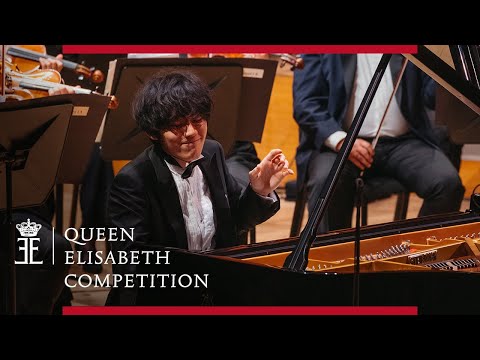 Play video
YouTube · published 2025-10-09 · 26m
Saint-Saëns Concerto n. 5 in F major op. 103 | Masaya Kamei - Queen Elisabeth Competition 2025
2025ConcertoOp.26m
FreeLongLive
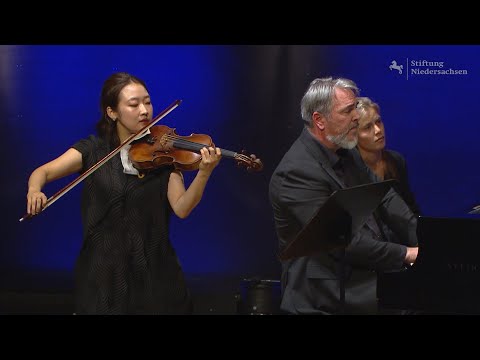 Play video
YouTube · published 2025-09-17 · 33m
Saki Tozawa – Beethoven | Saint-Saëns/Ysaÿe – Joseph Joachim Violin Competition 2024
202433m
FreeLongLive
 Play video
St. Peter Live Zurich · published 2024-10-11
Orgelvesper «Kassandra» | Charles Camille Saint-Saëns: aus «Samson und Delilah», griechische Volkstänze mit Pfrn. Kathrin Rehmat • Lindsay Buffington, Harfe • Diego Caruso, Kontrabass im Duo 51 B.C. • Jürg Brunner, Orgel Predigerkirche
2024
FreeFull concertLive
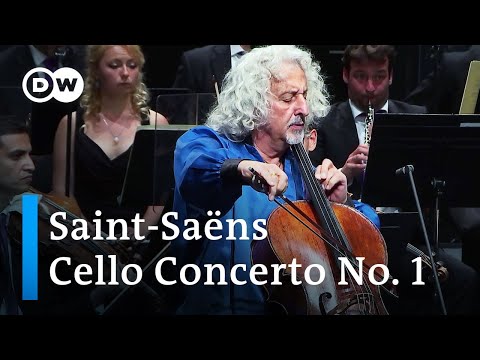 Play video
YouTube · published 2024-10-01 · 19m
Saint-Saëns: Cello Concerto No. 1 | Mischa Maisky, Gábor Takács-Nagy & Verbier Festival Orchestra
FreeLive
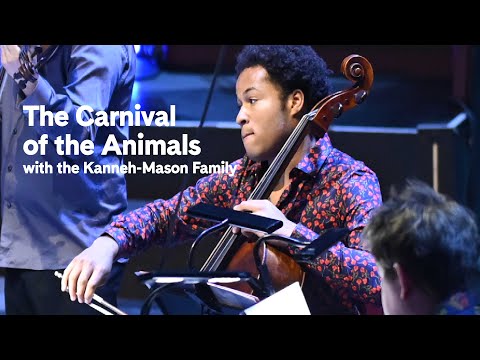 Play video
Carnegie Hall · published 2024-05-16 · 2m
Kanneh-Mason Family: Saint-Saëns’s The Carnival of the Animals (excerpt) | Carnegie Hall+
Free
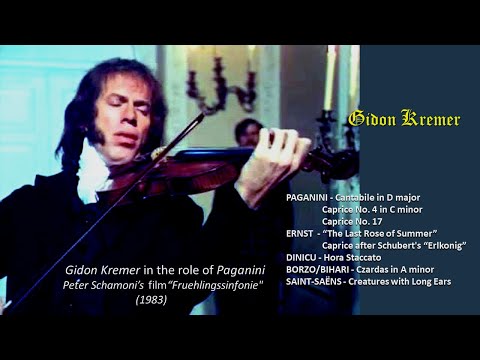 Play video
YouTube · published 2023-08-05 · 30m
GIDON KREMER - Violino: Paganini, Ernst, Dinicu, Borzo/Bihari, Saint-Saëns (live recording)
FreeLongLive
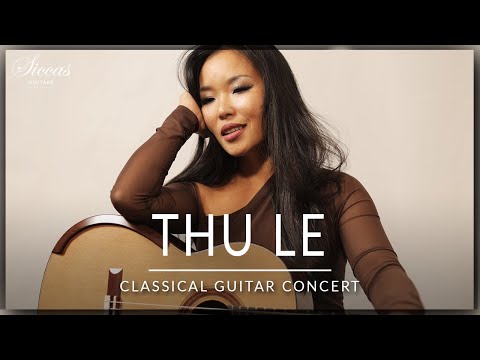 Play video
YouTube · published 2023-02-12 · 23m
THU LE - Classical Guitar Concert | Saint-Saëns, Montana, Scarlatti 🤩 | Siccas Guitars
202323m
FreeLongLive
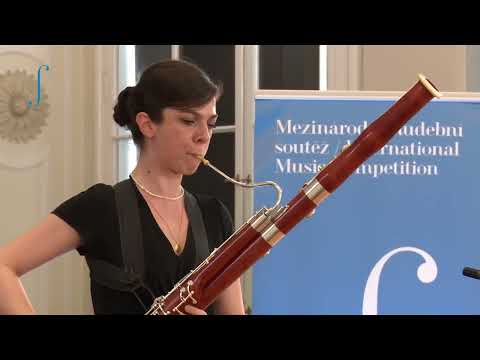 Play video
YouTube · published 2022-10-10 · 14m
Prague Competition 2022, Semi-finale, Saint-Saëns Sonata
2022Sonata14m
FreeLive
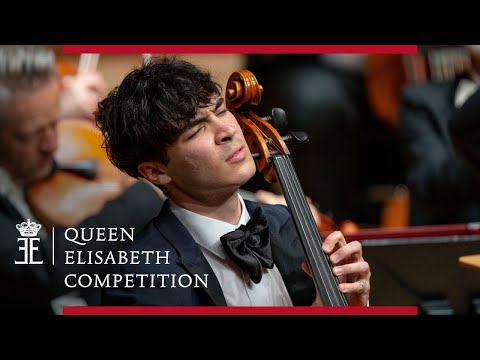 Play video
YouTube · published 2022-10-10 · 21m
Saint-Saëns Concerto n. 1 in A minor op. 33 | Petar Pejčić - Queen Elisabeth Competition 2022
2022ConcertoOp.21m
FreeLongLive
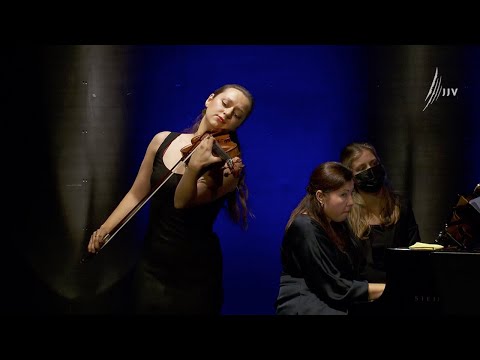 Play video
YouTube · published 2022-10-08 · 29m
Maria Ioudenitch – Schubert | Saint-Saëns / Ysaÿe – Joseph Joachim Violin Competition 2021
202129m
FreeLongLive
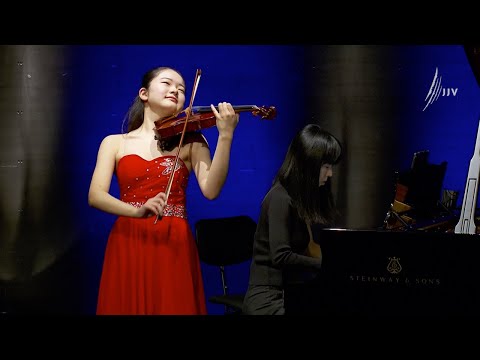 Play video
YouTube · published 2022-10-04 · 27m
Yuki Hirano – Schubert | Saint-Saëns / Ysaÿe – Joseph Joachim Violin Competition 2021
202127m
FreeLongLive
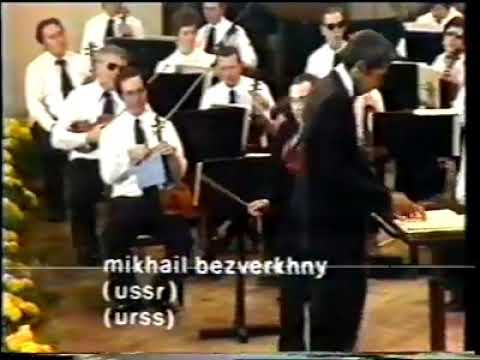 Play video
YouTube · published 2022-09-22 · 12m
Mikhail Bezverkhny , Grand Prix - Queen Elisabeth Competition in Brussels1976.Saint-Saëns Concerto 3
2022Concerto12m
FreeLive
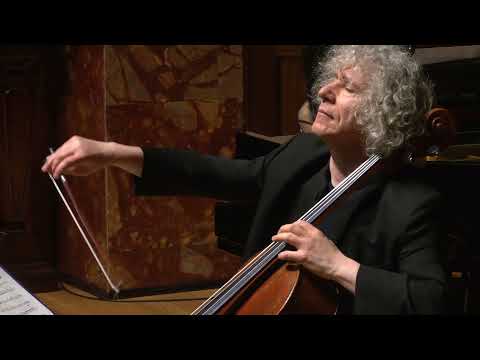 Play video
Wigmore Hall · published 2022-05-18 · 3m
Steven Isserlis & Connie Shih - Camille Saint-Saëns, Le Cygne
20223m
FreeLive
 Play video
YouTube · published 2021-10-08 · 12m
Saint-Saëns Violin Concerto no.3 | Ilva Eigus | XXI International Nutcracker Competition | 3rd Round
FreeLive
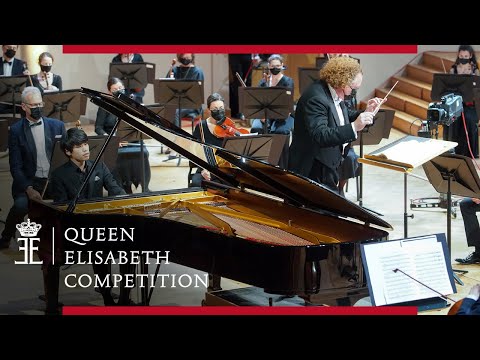 Play video
YouTube · published 2021-09-02 · 31m
Saint-Saëns Concerto n. 5 in F major op. 103 | Keigo Mukawa - Queen Elisabeth Competition 2021
2021ConcertoOp.31m
FreeLongLive
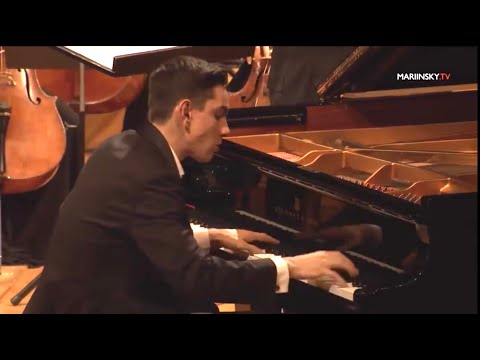 Play video
YouTube · published 2020-06-03 · 26m
Saint-Saëns Piano Concerto op. 22 no. 2 Dmitry Shishkin, Mischa Damev, Mariinsky Orchestra
2020ConcertoOp.26m
FreeLongLive
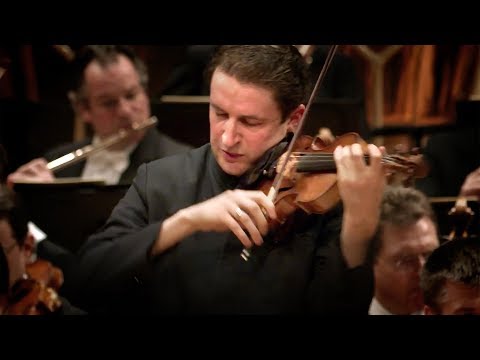 Play video
Berlin Philharmonic · published 2018-05-19 · 2m
Saint-Saëns: Introduction et Rondo capriccioso / Bendix-Balgley - Berliner Philharmoniker
Free
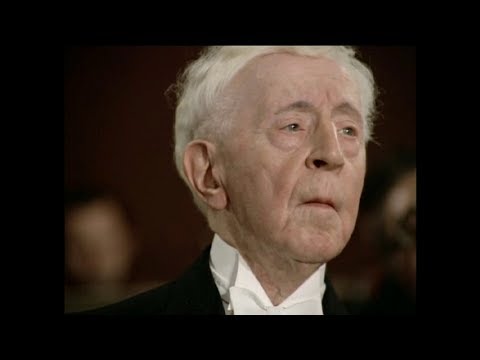 Play video
YouTube · published 2018-02-13 · 26m
Arthur Rubinstein - Saint-Saëns: Piano Concerto No.2 - London Symphony Orch. - André Previn (1975)
FreeLongLive
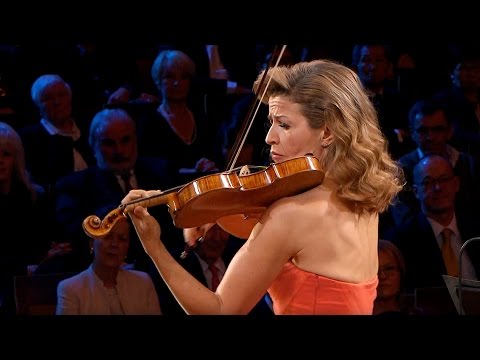 Play video
Berlin Philharmonic · published 2017-05-19 · 2m
Saint-Saëns: Introduction et Rondo capriccioso / Mutter - Rattle - Berliner Philharmoniker
Free
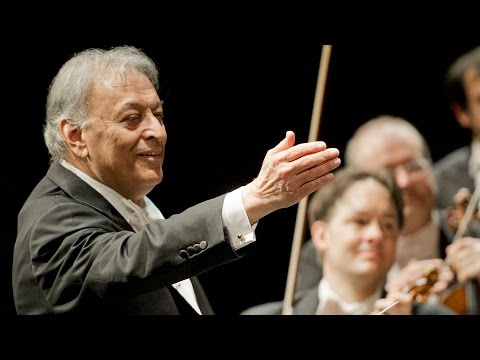 Play video
Berlin Philharmonic · published 2016-05-19 · 2m
Saint-Saëns: Symphony No. 3 “Organ” / Mehta - Berliner Philharmoniker
Free
 Play video
YouTube · published 2014-02-14 · 36m
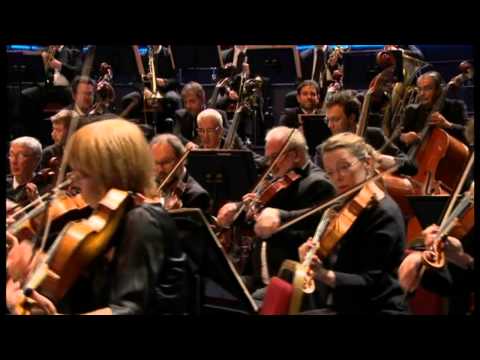
Saint-Saëns - Symphony No 3 in C minor, Op 78 - Järvi
2014Symphony36m
FreeLongLive
 Play video
YouTube · 36m
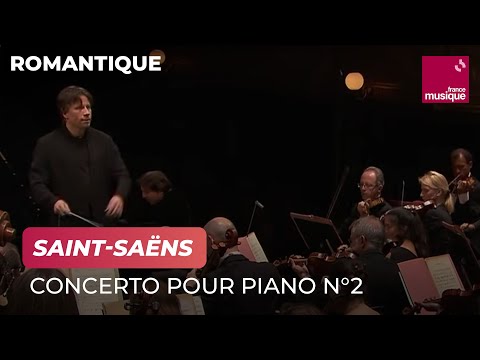
Saint-Saëns : Piano Concerto No. 2 performed by Fazil Say
Performed by Fazil Say
FreeLong
Saved playlist songs
Tracks from your saved Spotify playlist that are attributable to Saint-Saëns.
No Spotify playlist is seeded yet.
No attributable tracks for this person in your saved playlist songs yet.