Puccini
Your profile, built from Spotify + Wikipedia/Wikidata + your indexed library.
Born / died
1858-1924
Movement
Romantic
Location
Lived in Torre Del Lago Puccini Railway Station
Friends / contemporaries
Anton Webern, Bedrich Smetana, Charles-Valentin Alkan +3 more

role: composer · 90%era: Romanticmovement: Romantic1858–1924
Movement
Romantic
How this movement sounds
rubatochromatic harmonybig climaxesricher timbrelong lyrical linesnarrative feel
Romantic listening cues: heightened emotion, longer lyrical melodies, and more freedom with rubato (flexible timing) in performance.
Harmony is often more chromatic, with colorful chords and side-steps that create tension and release over longer spans. You may hear more delayed resolutions and more 'yearning' harmonic motion.
Dynamics and texture often expand: thicker sonorities, bigger climaxes, and a strong sense of narrative or character (even in purely instrumental music).
In piano music, listen for the use of pedaling and resonance to create a halo around harmony; in orchestral music, listen for richer timbre and denser voicing (inner lines matter).
A useful trick: follow the bass line. In Romantic music it often shapes the drama, pulling the harmony through longer arcs rather than short phrase punctuation.
How Puccini sounds
rubatorich harmonylong melodybig dynamicscoloristic pedal
Romantic music tends to foreground emotion and color: long singing melodies, flexible tempo (rubato), and harmony that stretches and sighs.
You often hear thicker textures, wider dynamic range, and a more "orchestral" use of the piano with deep bass and resonant pedaling.
Look for heightened contrast and personal voice: the same musical gesture can feel intimate one moment and heroic the next.
Wikipedia
Giacomo Antonio Domenico Michele Secondo Maria Puccini (22 December 1858 – 29 November 1924) was an Italian composer known primarily for his operas.Wikipedia
Widely regarded as the greatest and most successful proponent of Italian opera after Verdi, he was descended from a long line of composers, stemming from the late Baroque era. Though his early work was firmly rooted in traditional late-nineteenth-century Romantic Italian opera, it later developed in the realistic verismo style, of which he became one of the leading exponents.Wikipedia
His most renowned works are La bohème (1896), Tosca (1900), Madama Butterfly (1904), and the unfinished Turandot (1926, posthumously completed by Franco Alfano), all of which are among the most frequently performed and recorded in the entirety of the operatic repertoire.Wikipedia
Study resources & scores
Curated study material and indexed score links related to Puccini.
No related study resources yet. As more lectures, transcripts, and scores are indexed, they will show up here.
Local matches
Matches your current indexed library (videos table). This will be sparse until connectors run.

France Musique · published 2026-10-01
"La Fille du Far West" de Puccini, par Zubin Mehta
2026
Free


France Musique · published 2026-09-15
Bryn Terfel, un caractère puissant et une musicalité innée
2026
FreeFull concert

France Musique · published 2026-09-08
Le Quatuor Hagen interprète des œuvres italiennes du 19e siècle
2026
FreeFull concert

France Musique · published 2026-09-03
Puccini : Tosca - Fiorentino Maggio Musicale Orchestra, Daniele Gatti
2026Puccini
FreeFull concert

France Musique · published 2026-09-02
Fanny Ardant : "J'aime que l'on soit prêt à n'importe quelle expérience pour retrouver son amour perdu"
2026Fanny Ardant
FreeFull concert
France Musique · published 2026-09-02
L'invitée du jour : Fanny Ardant
FreeFull concert

France Musique · published 2026-08-26
Betrand Chamayou pour le Festival Ravel
2026
Free

France Musique · published 2026-07-23
Le Festival Réveil de l'harmonium en Bourbonnais avec Jean-Luc Perrot
2026
FreeFull concert

France Musique · published 2026-06-30
Birgit Nilsson chante Turandot de Puccini avec Erich Leinsdorf
2026
FreeFull concert

France Musique · published 2026-05-27
Le chef Sir Thomas Beecham, la soprano Victoria de Los Angeles et le ténor Jussi Björling dans La Bohème de Puccini
2026
Free

France Musique · published 2026-05-16
France Musique est à vous du samedi 16 mai 2026
2026
Free

France Musique · published 2026-05-12
Dolce vita : Puccini, Verdi, Mascagni, Respighi
2026Dolce vita
FreeFull concert

France Musique · published 2026-05-11
"Turandot" de Puccini : « Nessun dorma... »
2026
Free
 Play video
ARTE Concert · published 2026-04-20 · 45m
Puccini - Messa di Gloria - ARTE Concert
202645m
FreeFull concertLong


France Musique · published 2026-04-09
Herbert von Karajan, le lyrisme et la rigueur
2026
Free

 Play video
Carnegie Hall · published 2026-01-20 · 3m
Salzburg Festival: Puccini's La bohème (excerpt) | Carnegie Hall+
Free
 Play video
Carnegie Hall · published 2025-05-16 · 2m
Puccini's La fanciulla del West (excerpt) | Carnegie Hall+
20252m
Free
 Play video
Carnegie Hall · published 2025-05-16 · 2m
Puccini’s Tosca: Aix-en-Provence Festival with Angel Blue (excerpt) | Carnegie Hall+
Free
 Play video
Carnegie Hall · published 2025-05-16 · 3m
Arena di Verona: Puccini’s La bohème (excerpt) | Carnegie Hall+
Free
 Play video
Carnegie Hall · published 2024-05-16 · 2m
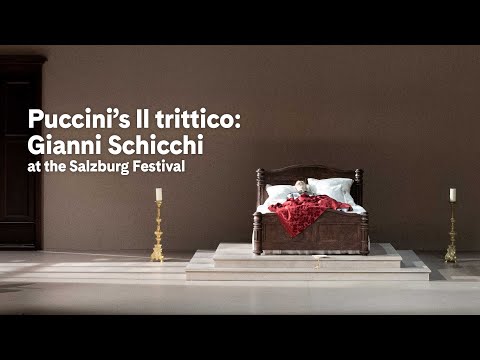
Puccini’s “Il trittico: Gianni Schicchi” at the Salzburg Festival (excerpt) | Carnegie Hall+
20242m
Free
 Play video
Carnegie Hall · published 2024-05-16 · 2m
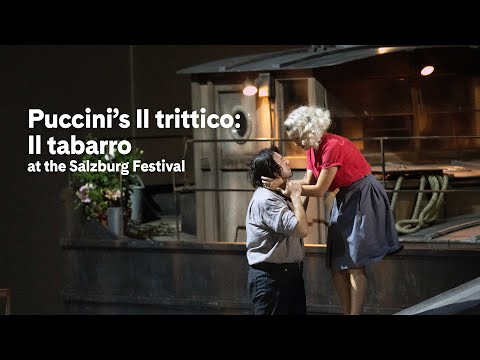
Puccini's “Il trittico: Il tabarro” at the Salzburg Festival (excerpt) | Carnegie Hall+
20242m
Free
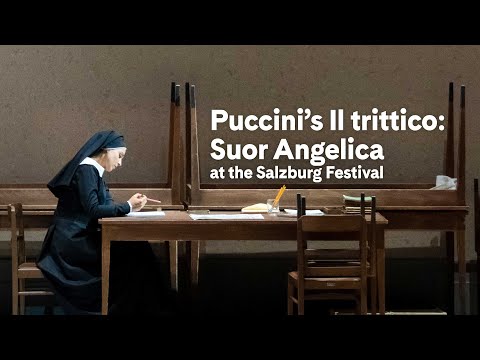 Play video
Carnegie Hall · published 2024-05-16 · 2m
Puccini's “Il trittico: Suor Angelica” at the Salzburg Festival (excerpt) | Carnegie Hall+
20242m
Free
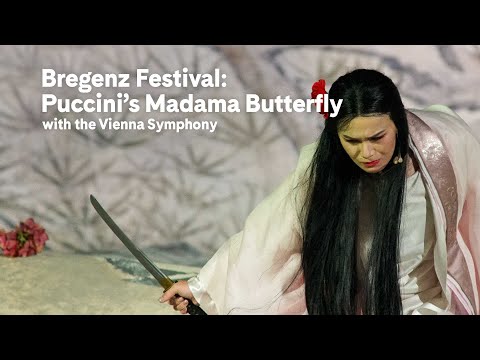 Play video
Carnegie Hall · published 2024-05-16 · 2m
Bregenz Festival: Puccini’s Madama Butterfly (excerpts) | Carnegie Hall+
Free
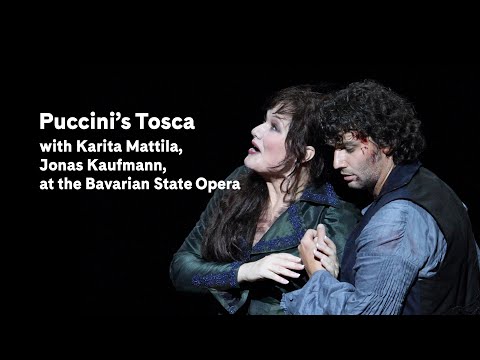 Play video
Carnegie Hall · published 2024-05-16 · 2m
Munich Opera Festival: Puccini’s Tosca (excerpt) | Carnegie Hall+
Free
 Play video
Carnegie Hall · published 2024-04-13 · 35m
Joyce DiDonato Master Classes 2022: Puccini’s “Nulla! Silenzio!” from “Il tabarro”
202235m
FreeLong
 Play video
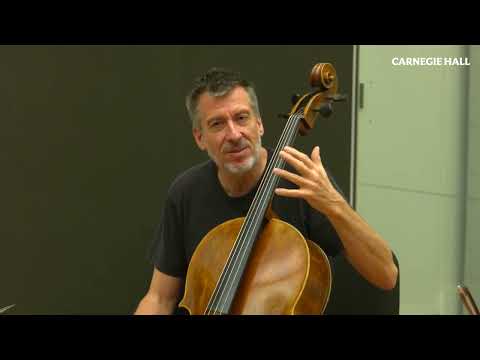
Carnegie Hall · published 2024-04-13 · 8m
Berliner Philharmoniker Cello Master Class with Ludwig Quandt: Puccini’s “Tosca”
20248m
Free
 Play video
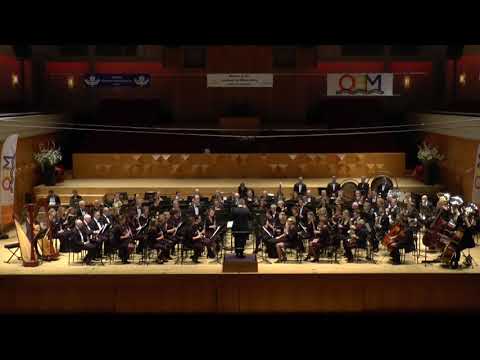
YouTube · published 2022-04-23 · 18m
2018 - Concert Concours - La Bohème Giacomo Puccini
201818m
FreeLive
 Play video
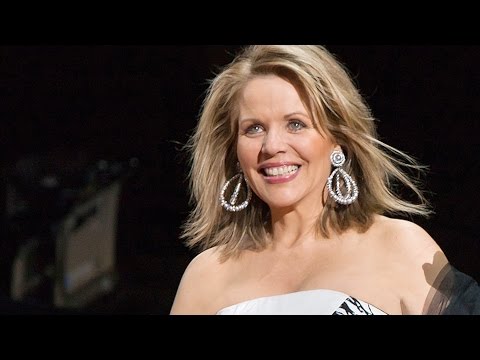
Berlin Philharmonic · published 2017-05-19 · 2m
Puccini: “O mio babbino caro” / Fleming - Marin - Berliner Philharmoniker
Free
Saved playlist songs
Tracks from your saved Spotify playlist that are attributable to Puccini.
No Spotify playlist is seeded yet.
No attributable tracks for this person in your saved playlist songs yet.